
Effective Solutions for Menopause-Related Vaginal Dryness
Menopause brings many changes to a woman’s body, and one of the most common and uncomfortable symptoms is vaginal dryness. This condition can affect daily comfort, intimate relationships, and overall quality of life. Fortunately, there are several effective solutions available to manage and relieve vaginal dryness during menopause. This post explores practical approaches, from lifestyle adjustments to medical treatments, to help women find relief and regain comfort.
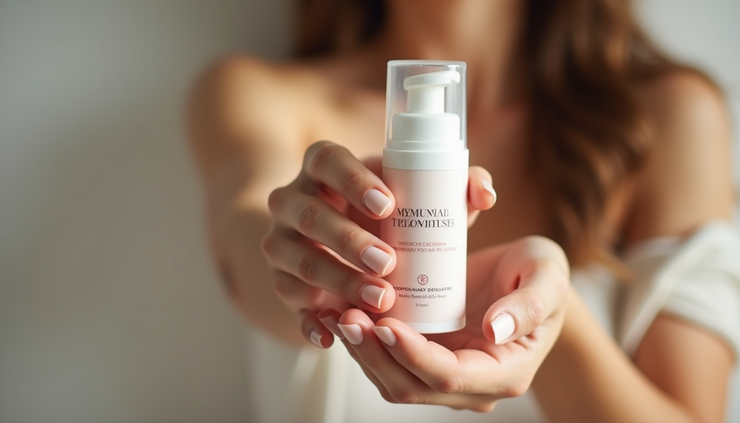
Vaginal moisturizers are a common and effective option to relieve dryness during menopause.
Understanding Vaginal Dryness in Menopause
Vaginal dryness occurs when the tissues of the vagina lose moisture and elasticity. This happens mainly because of the decline in estrogen levels during menopause. Estrogen helps maintain the thickness, lubrication, and acidity of vaginal tissues. When estrogen drops, the vaginal walls become thinner, less elastic, and produce less natural lubrication.
Symptoms of vaginal dryness include:
Itching or irritation inside the vagina
Burning sensation
Discomfort or pain during intercourse
Increased risk of urinary tract infections
Recognizing these symptoms early can help women seek appropriate solutions and avoid worsening discomfort.
Lifestyle Changes That Help
Simple lifestyle adjustments can make a significant difference in managing vaginal dryness. These changes support overall vaginal health and improve comfort.
Stay Hydrated
Drinking plenty of water helps maintain hydration throughout the body, including vaginal tissues. Aim for at least 8 glasses of water daily.
Avoid Irritants
Certain products can worsen dryness and irritation. Avoid:
Scented soaps and bubble baths
Douches
Feminine sprays or powders
Use mild, unscented cleansers and rinse with warm water.
Wear Breathable Clothing
Choose cotton underwear and loose-fitting clothes to allow air circulation and reduce moisture buildup, which can cause irritation.
Use Lubricants During Intimacy
Water-based lubricants reduce friction and discomfort during sexual activity. Avoid oil-based lubricants if using latex condoms, as they can cause damage.
Over-the-Counter Products
Several non-prescription products can provide relief from vaginal dryness.
Vaginal Moisturizers
Unlike lubricants, vaginal moisturizers are designed for regular use to maintain moisture levels in vaginal tissues. They can be applied every few days and help restore comfort.
Water-Based Lubricants
These provide temporary relief during sexual activity. They are easy to use and widely available.
Avoid Products with Harsh Chemicals
Check ingredient lists to avoid parabens, glycerin, or fragrances that can cause irritation.
Medical Treatments for Vaginal Dryness
When lifestyle changes and over-the-counter options are not enough, medical treatments may be necessary. These treatments focus on restoring estrogen levels locally or improving vaginal tissue health.
Vaginal Estrogen Therapy
This treatment delivers low doses of estrogen directly to vaginal tissues through creams, tablets, or rings. It helps:
Restore vaginal thickness and elasticity
Increase natural lubrication
Reduce irritation and discomfort
Vaginal estrogen therapy is considered safe for most women, including those who cannot take systemic hormone replacement therapy. A healthcare provider can recommend the best option and dosage.
Non-Hormonal Prescription Treatments
For women who cannot or prefer not to use estrogen, non-hormonal options include:
Ospemifene: An oral medication that mimics estrogen effects on vaginal tissues.
Vaginal DHEA (prasterone): A vaginal insert that improves tissue health without systemic hormone effects.
Laser Therapy
Emerging treatments like fractional CO2 laser therapy aim to stimulate collagen production and improve vaginal tissue quality. Some studies show promising results, but more research is needed to confirm long-term safety and effectiveness.
Natural Remedies and Supplements
Some women explore natural remedies to ease vaginal dryness. While evidence varies, certain options may offer relief when used carefully.
Vitamin E
Vitamin E oil applied vaginally may help improve moisture and reduce irritation. It is important to use pure, medical-grade products.
Omega-3 Fatty Acids
Found in fish oil and flaxseed, omega-3s support overall skin and mucous membrane health. Including these in the diet may benefit vaginal tissues.
Herbal Supplements
Some herbs like black cohosh and red clover are popular for menopausal symptoms, but their effects on vaginal dryness are not well studied. Always consult a healthcare provider before starting supplements.
Tips for Comfortable Intimacy
Vaginal dryness can make sexual activity uncomfortable, but there are ways to maintain intimacy without pain.
Use lubricants generously during sex.
Engage in longer foreplay to increase natural lubrication.
Communicate openly with your partner about discomfort.
Consider pelvic floor physical therapy to improve muscle tone and blood flow.
When to See a Healthcare Provider
If vaginal dryness causes persistent discomfort, pain during sex, or affects your quality of life, consult a healthcare professional. They can:
Diagnose underlying causes
Recommend appropriate treatments
Monitor for other menopausal symptoms or health issues
Early intervention can prevent complications and improve well-being.


Comments